
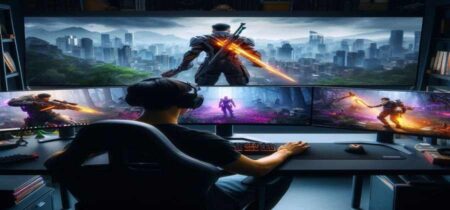
Can you play VALORANT on an ultrawide monitor? Yes, as long as you pick a resolution Riot supports. Riot Games lists 2560 x 1080, 3440 x 1440 and 5120 x 2160 among VALORANT’s supported resolutions, but warns that running them in full-screen mode can cause issues. Black bars mean the game is set to a resolution VALORANT does not support, most often 5120 x 1440 on a 32:9 screen, and the bars crop the picture back to a supported shape.
Riot still highly recommends 16:9 for the game, so an ultrawide is a comfort and immersion choice rather than a way to see more of the map. If you are weighing the shape itself, our explainer on what aspect ratio in a monitor is covers how 16:9, 21:9 and 32:9 differ.

Is Ultrawide Supported In VALORANT?
VALORANT keeps a fixed list of supported resolutions, and Riot updates it as the game changes. Ultrawide 21:9 modes are on that list, while the super-wide 32:9 mode is not. The table below shows the resolutions taken from Riot’s own supported resolutions page.
| Aspect ratio | Resolution | Supported by VALORANT |
|---|---|---|
| 16:9 | 1920 x 1080 | Yes |
| 21:9 | 2560 x 1080 | Yes |
| 21:9 | 3440 x 1440 | Yes |
| 21:9 | 5120 x 2160 | Yes |
| 32:9 | 5120 x 1440 | No |
Source: Riot Games – Supported resolutions in VALORANT.
Recommended Monitors
| Photo | Monitor | Key specs | Deal |
|---|---|---|---|
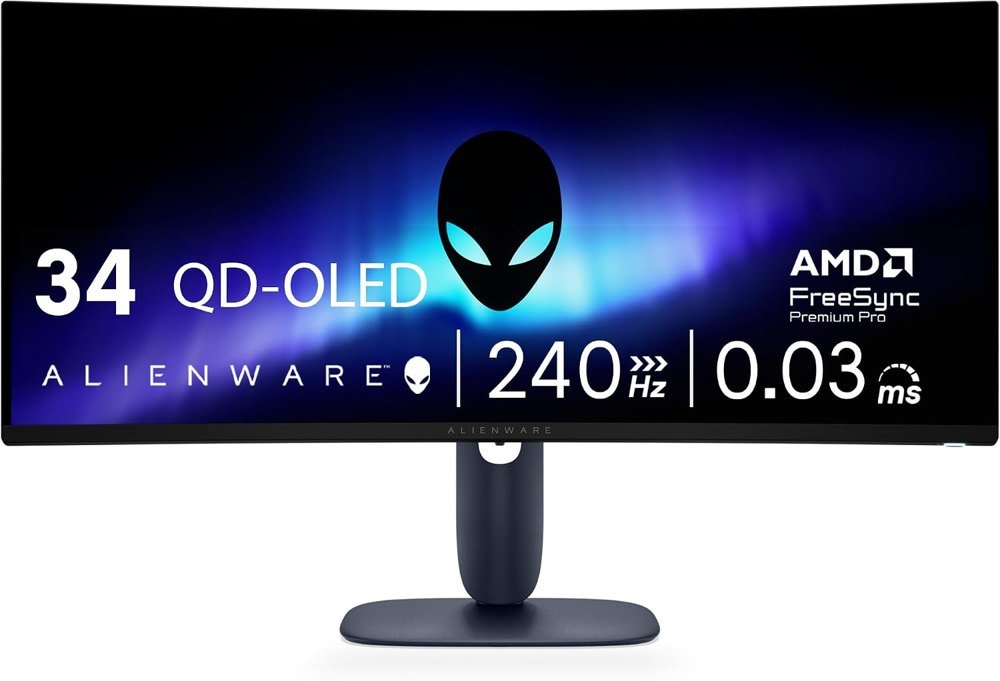 | Alienware AW3425DW Best for: smooth 240Hz play at 3440 x 1440 | 34.2-inch 3440 x 1440 QD-OLED, 240Hz, 0.03ms | Check Price |
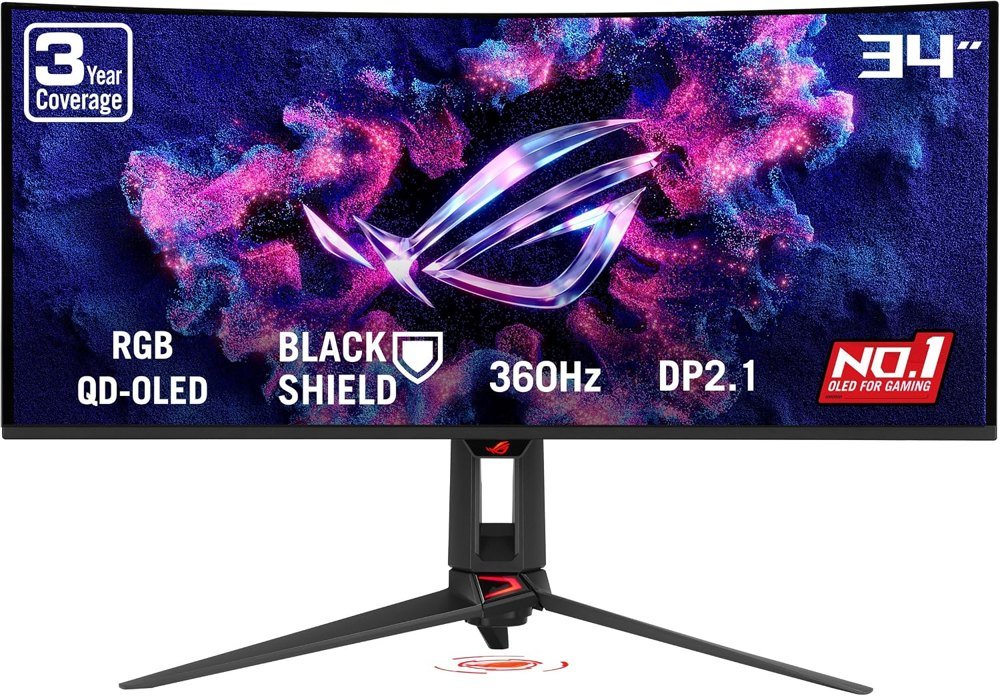 | ASUS ROG Swift OLED PG34WCDN Best for: the highest refresh rate on a 34-inch 21:9 screen | 34-inch 3440 x 1440 RGB QD-OLED, 360Hz, 0.03ms | Check Price |
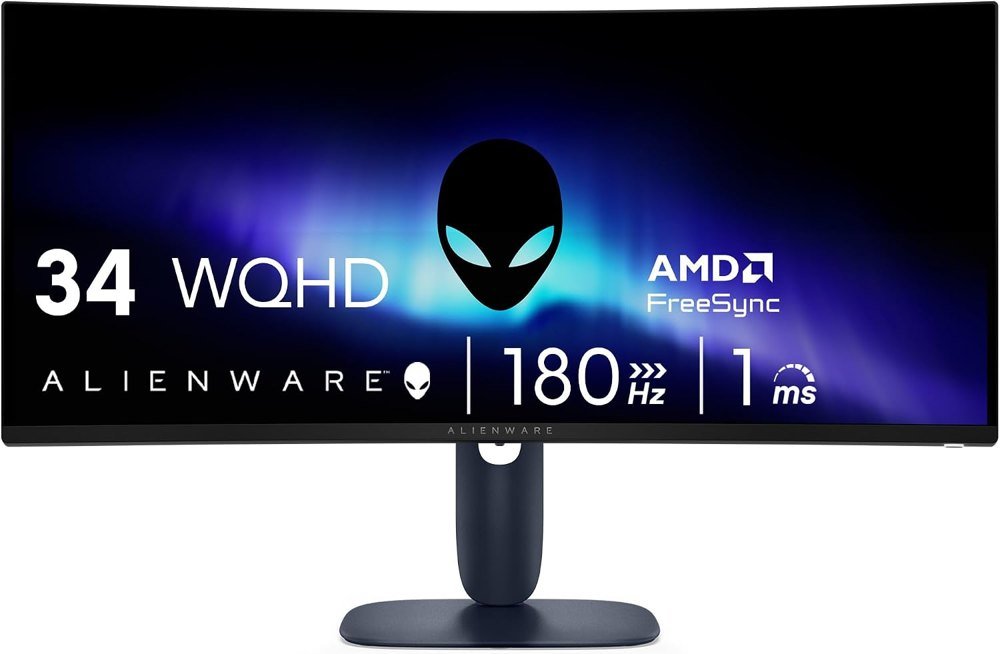 | Alienware AW3425DWM Best for: value 21:9 VALORANT setup | 34-inch 3440 x 1440 VA, 180Hz, 1ms | Check Price |
See the full list: Best Ultrawide Monitors
As an Amazon Associate, I earn from qualifying purchases.
How To Play VALORANT On An Ultrawide Monitor
Getting VALORANT to fill a 21:9 screen takes three short checks: a supported resolution in Windows, the right display mode in the game, and GPU scaling if the picture still shows bars.
Step 1: Set A Supported Resolution
Open Windows Settings, go to System > Display, and set the monitor to its native ultrawide resolution, such as 2560 x 1080 or 3440 x 1440. Those modes are supported by VALORANT, so the game lists them in its own Resolution menu. A 32:9 monitor at 5120 x 1440 is the exception, because that resolution is not on Riot’s list.
Step 2: Pick The Display Mode In VALORANT
Launch VALORANT, open Settings > Video > General, and choose your resolution there. Riot warns that full-screen mode can cause issues on some ultrawide resolutions, so if the game blacks out or crops the picture, switch the Display Mode to Windowed or Borderless and reload the match.
Step 3: Remove Black Bars And Stretching
Black bars appear when the game is running a resolution the game does not support, and VALORANT crops the image to a supported shape. Pick a supported resolution first. If the picture still looks narrow or stretched, the fix sits in your graphics software rather than in VALORANT, because the game has no aspect-ratio switch of its own:
- NVIDIA: open the NVIDIA Control Panel, use Adjust desktop size and position, and scale to Full-screen with scaling performed on the GPU.
- AMD: open AMD Software: Adrenalin Edition, go to Gaming > Display, and set Scaling Mode to Full-screen panel.
- Monitor: set the on-screen picture size or aspect option to Full or Wide instead of Dot-by-dot.
Does An Ultrawide Monitor Give You An Advantage In VALORANT?
Not really. VALORANT is built and balanced around 16:9, which is why Riot still recommends that ratio, and the game offers no field-of-view slider to widen the view. On an ultrawide screen the image is stretched or cropped to a supported shape rather than rendering more of the map, so you do not spot enemies that a 16:9 player misses.
What you do gain is wrap-around immersion and desktop room for streaming or voice chat. If competitive clarity is the goal, a fast 16:9 panel remains the safer pick, as our best 144Hz monitors guide explains.
Best VALORANT Settings For An Ultrawide Monitor
A 21:9 screen pushes more pixels than 1080p, so a few in-game tweaks keep frame times low. Open Settings > Video and start from these values:
- Multithreaded Rendering: On
- Material, Texture and Detail Quality: Low or Medium for higher frame rates
- Vignette, Bloom, Distortion and First Person Shadows: Off
- V-Sync: Off, and Anti-Aliasing at MSAA 2x or 4x
- NVIDIA Reflex Low Latency: On + Boost if your card supports it
Set the in-game frame rate limit near your monitor’s refresh rate, and check the refresh rate itself in Windows Settings > Display > Advanced display, since many ultrawide panels ship capped at 60Hz until you raise it.
Frequently Asked Questions
Can you play VALORANT on an ultrawide monitor?
Yes. Riot lists 2560 x 1080, 3440 x 1440 and 5120 x 2160 as supported resolutions, but warns that full-screen mode can cause issues, so switch to Windowed or Borderless if you hit problems.
Does VALORANT support 32:9 monitors?
No. 5120 x 1440 is not on Riot’s supported resolution list, so a 32:9 display shows black bars or a cropped picture until you run a supported resolution instead.
Why does VALORANT have black bars on my ultrawide monitor?
Black bars mean VALORANT is running a resolution the game does not support, and the bars crop the screen to a supported shape. Choose 2560 x 1080 or 3440 x 1440 in the video settings, then set full-screen scaling in your NVIDIA or AMD control panel if the picture is still narrow.
Is a 21:9 monitor better than 16:9 for VALORANT?
No, it is not a competitive advantage. Riot recommends 16:9, VALORANT has no field-of-view slider, and most pros play 16:9 for a smaller, easier-to-track sight picture. Read more in our guide to whether an ultrawide monitor is worth it for gaming.
Final Words
VALORANT runs on ultrawide monitors as long as you stay on a resolution Riot supports: 2560 x 1080, 3440 x 1440 or 5120 x 2160. Black bars and a cropped picture point to an unsupported mode, most often 5120 x 1440 on a 32:9 screen, and full-screen issues are fixed by moving to Windowed or Borderless. Treat the ultrawide as an immersion upgrade rather than a way to see more of the map, and let frame rate and refresh rate lead your choice of panel.

A former esports professional turned tech journalist, Aiden Johnson is on a mission to help gamers optimize their setups. His expertise extends beyond gaming monitors, encompassing the broader tech ecosystem. Known for breaking down complex topics into digestible pieces, Aiden provides a holistic view of how monitors fit into the larger gaming and tech landscape.